
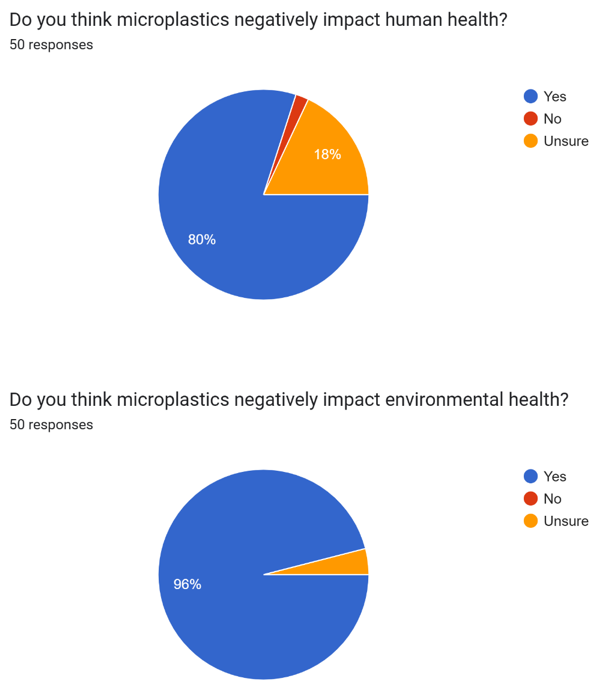
Our recent community survey gathered responses from 50 participants based in the Laramie community, revealing a strong awareness of microplastics but varied levels of understanding and concern. Nearly all respondents (98%) had heard of microplastics before taking the survey. Most believed microplastics negatively impact human health (80%) and even more were concerned about the effects on the environment (96%).
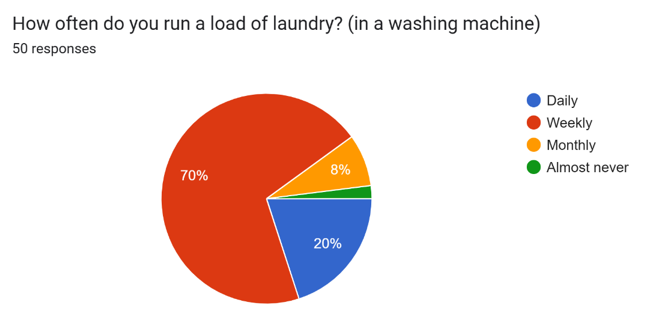
While awareness is high, people's understanding of microplastics is moderate, averaging 6 out of 10. A significant portion of the community (28%) expressed the highest level of worry about microplastic pollution, with 92% of respondents selecting a concern of 5 or higher. The survey also shed light on everyday behaviors contributing to microplastics. Single-use plastics are frequently used, with 16% of respondents using them daily and 35% weekly. Almost everyone uses personal care products daily and does laundry weekly.
Importantly, 66% agreed microplastics are a local issue in Wyoming. More than half of the respondents were able to identify practical ways to reduce their plastic footprint, including switching to glass or metal containers, choosing natural fibers over synthic, reusing items and avoiding single use plastics.
These insights highlight a community that is engaged and concerned, ready to take informed action for a cleaner, healthier environment. As you continue exploring this page, you will find resources and practical strategies designed to help redude microplastic pollution and increase community awareness and action.
Since much of our daily exposure to microplastics happens right in our own homes - from the products we use to the fabrics we wear - it's important to explore practical ways to reduce microplastics indoors. Simple changes in household items, clothing choices, and cleaning habits can make a big difference in limiting microplastics pollution at the source. Let's look at some effective strategies you can start today to create a healthier, microplastics-reduced living environment.
There can be a lot of plastics in the kitchen but here we’ll focus on some of the most common products that contribute to microplastic pollution: non-stick pans, sponges, plastic utensils, plastic cutting boards, coffee filters, tea bags, and plastic wrap. Fortunately, many of these have eco-friendly alternatives that can help reduce plasticwithout sacrificing convenience or function
Non-Stick Pans : Many non-stick pans contain coatings that can begin to break down and release potentially harmful chemicals when heated above 500°F (260°C), especially during long cooking times. To avoid this, consider switching to cookware made from cast iron, stainless steel, or ceramic, which are durable, free from plastic coatings, and safer choices for high-heat cooking.
Sponges: Most common sponges are made from syntheic plastic that sheds microplastics during use and are non-biodegradable. Consider switching to natural sponges made from materials like cellulose, loofah, or coconut fibers. These are biodegradable, compostable and provide effective cleaning without releasing harmful plastics
Platic Cooking Utensials and Cutting Boards: Plastic utensils and cutting boards can wear over time and release microplastics into food and waterways. Choose durable alternatives made from bamboo, wood, and stainless steel which are long-lasting, eco-friendly and safe for food preparation.
Coffee Filters and Tea Bags: Many commercial coffee filters and tea bags contain plastic linings or synthetic fibers that release microplastics, especially when exposed to hot water. This release is accelerated at higher temperatures typically used for brewing, with some studies showing billions of microplastic particles can be released into asingle cup of tea or coffee. To reduce exposure, opt for reusable metal or cloth coffee filters and loose-leaf tea brewed with stainless steel, ceramic infusers, hemp, cotton or wood pulp tea bags.
Plastic Wrap: Traditional plastic wrap oftern contains non-biodegradable plasticslinings or synthetic fibers. Consider replacing plastic wrap with beeswax wraps, stainless steel/glass containers, aluminum foil or even linen bowl covers.
Laundry is another main source of microplastic pollution due to synthetic fibers shedding tiny plastic fiber (microfibers) during washing. These microscopic fibers are released through the washing machine's wastewater and can bypass treatment plants, eventually contaminating oceans, lakes, rivers and soils. The amount of microfibers released varies by fabric type, wash cycle, and textile characteristics with polyester and blended fabrics being particularly significant contributors. To reduce pollution from laundry, consider installing a washing machine filter that can capture up to 80-90% of microfibers. Alongside the filter, washing synthetic fabrics in cold water and on a gentle wash cycle can further reduce shedding. Using specially designed laundry bags for synthetic items can also trap microfibers before they reach the washing machine drain.
In addition to washing, tumble dryers also release a substantial amount of microfibers primarily into the air, through their vents. Unlike washers, which release microfibers into wastewater, dryers emit airborne microfibers directly into the environment, often without filtration. Studies show that dryers can release as many or more microfibers than washing machines, contributing significantly to overall microfiber pollution. Using air filters on dryer vents, reducing dryer use, or switching to air drying are effective ways to limit this source of microplastics.
Household cleaning products are another common source of microplastics especially from synthetic sponges, scrubbers and some liquid detergents. Disposable cleaning wipes like ‘wetwipes’ and ‘Lysol disinfectant wipes’ often contain plastic fibers such as polypropylene. Similarly, scrubbing products like ‘Mr.Clean’ shed tiny plastics during use. Consider switching sponges, scrubbers and cloths with alternatives like cotton, hemp, bamboo, or linen materials. Detergents and cleaners contain synthetic polymers, PVA’s and plastic based fillers. Consider using vinegar for both cleaning and laundry it can be used for degreasing, deodorizing, cleaning and descaling along with acting as a fabric softener in laundry
Personal care products are a major source of microplastic's pollution as well due to microbeads and synthetic polymers used in items like scrubs, cleansers, makeup, sunscreens, nail polish and others. Many of these products also contain plastic-based ingredients that can irritate skin and disrupt its natural barrier. Visit our Check Your Products page for a list of ingredients to avoid when purchasing new products.