

In recent decades, plastic production and usage have increased to levels that have never been seen before. When these plastics reach the environment, they are exposed to many degrading factors such as wind, rain, other biological elements, and much more, causing the plastics to fragment (Jessieleena et al.). This results in the less than 1 mm pieces of plastic we refer to as microplastics and the less than 1µm particles we call nanoplastics (Kukkola etal.). Due to the difficult nature of plastic, it doesn’t really decompose; it just fragments into smaller pieces of plastic. It has recently been estimated that around 4-12 million megatons of plastic enter oceans annually (Jessieleena et al.). If this happens in oceans, just imagine the havoc that these plastics are wreaking on rivers, streams and freshwater bodies of water, which are much more common in communities like here in Laramie, WY. One study produced by Dr. Kirsten Kapp from Central Wyoming College has shown that rivers and lakes are no strangers to plastic pollution even in Wyoming. Preliminary data from her study of the Snake River which flows through Northern Wyoming shows that the river does contain plastics (Moody).
Now if fragments of plastic swimming in your water system sound like something you should stay away from, you'd be right! In a study published by Stanford Medicine, it is noted that plastics have been found in many human organs and tissues including the brain, heart, stomach, placenta, testicles, and lymph nodes (Savchuk). The effects of microplastics on organisms and on the environment have been minimally studied, which limits our knowledge of the effects and toxicity of microplastics however, studies on both animals and cells have shown that microplastics may contribute to biological changes effecting inflammation, the immune system, tissues, metabolic function, cell damage and more (Savchuk). The finding of these microplastics can be attributed to ingesting them in some way whether that be through eating contaminated foods and drinks, absorption through the skin, or through inhaling air. These microplastics can be considered dangerous for many reasons including that they can absorb toxic chemicals and transport them, and that they contain chemical additives which when broken down can contribute to hazardous effects (Jessieleena et al.). Studies have unveiled a range of complications stemming from microplastics in marine organisms showing increased mortality and markers for internal damage, which could clarify microplastic effects on human health (Jessieleena et al.).
Shockingly, the number one cause of these microplastics in water sources such as oceans, rivers, and lakes is municipal wastewater (Jessieleena et al.). Municipal wastewater is often described as any water that runs down the drainage belonging to a public water system. Think of this as your public water system and the pipeline running below your feet. To give you a better picture of why these may be a leading cause of microplastic pollution, each storm drain, drain in your shower, and sewage line contributes to the municipal water system. That's every piece of trash collected from the street during a storm, every particle of facewash ran down your drain, and every bit of trash flushed in your toilet. In perspective, that is a lot of plastic. But what is causing these issues, and what common household items are causing damage to our water systems?
Microplastics can come from pretty much any plastic household item you could think of things like sponges, clothing, utensils, cutting boards, face wash, laundry detergent; the list goes on. One of the most common products containing microplastics is personal care and cosmetic items. One study found that microplastics are found in large amounts in toothpaste, face wash, shower gels, eyeliners, nail polish, hairspray and sunscreen and are used to exfoliate, increase product volume, increase viscosity, and for aesthetic purposes (Jessieleena et al.). Although microbeads have been banned in the U.S. since 2015 due to the Microbead-free Waters Act some products may still contain microplastics because the ban only applies to specific plastics, shapes and sizes (Kukkola et al.).
In addition to finding microplastics in personal care and cosmetic products, laundry wastewater has also been shown to contain high amounts of microplastics contributing to microplastics recovered from municipal areas. When fabrics made from plastic materials like polyester, nylon and spandex are washed, this puts them through chemical and physical strain shedding tiny particles which are referred to as microfibers (Jessieleena et al.). These fibers are then washed into the wastewater system with the rest of the water discarded by the laundry machine landing these plastics right into the water system. In one study, it was found that synthetic microfiber release rate ranged from 23,333 to 34.5 x10⁵ microfibers per kg of laundry (Jessieleena et al.). A lot of factors can go into why the range of fibers emitted is so vast; things like temperature, detergent, softener, type of machine and age of items are all factors contributing to the shedding of these microfibers.
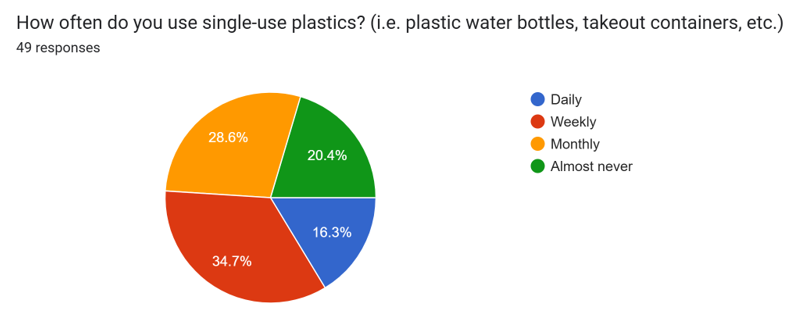
Another contributing factor of microplastics in waterways is storm drainage runoff. According to another study, microplastics are most often found in highly urbanized areas such as shopping plazas, transportation hubs, city centers, and industrial districts due to the amount of traffic and human activity in the area (Sewwandi et al.). The largest contributor to microplastics in these areas is litter, intentionally like throwing plastic bags on the ground or unintentionally like during municipal water treatment (Sewwandi et al.). Plastic packaging, toys, utensils, take out containers and other products are laid to waste in these areas leaving them to the elements which can break them down into microplastics which can then enter waterways through storm drainage, water runoff and irrigation systems.
If you would like to know more about these contributing factors of microplastic pollution, navigate to our Wyoming Community page where you can find more information on ways to stop your contributions to microplastic pollution and resources to get involved. Additionally, if you would like to investigate your own products or want information on which products to avoid and tips for reducing microplastic usage, navigate to our Check Your Products page. Here you will find ingredients to avoid in products, an app that can help you spot them in personal care products, cosmetics, and cleaning supplies, as well as recommendations for larger projects working to stop microplastics.
When being mindful about plastic usage, it is important to remember that everyone plays a role in educating and keeping their community safe. The most important thing, as stated in an article published by the Lancet, “the amount of plastic being released into the environment must be drastically reduced” (The Lancet Planetary Health). By doing our part by reducing our own plastic usage, we can contribute to reducing the plastic issue. Some common examples of this are recycling, using reusable containers, bags, and bottles, opting forplastic-free products, and switching the way we do household tasks. Another important aspect of this is to educate your community about the dangers of plastic pollution. Policy can be a helpful tool in solving these issues. Support bans on plastics, urge retailers and producers to move away from plastics, and support community cleanup efforts; these large-scale community movements keep solutions going. While there are already legislative protections in place like the aforementioned Microbead-free Waters Act and the formation of extender producer responsibility laws there is still lots of work to do regarding management of consumer behavior and reducing plastic waste (The Lancet Planetary Health). By advocating for yourself, your health and your water, you can help to make your communities thrive. By visiting our website, you have already begun your journey to microplastic reduction and can help to educate others on the dangers of microplastic pollution.